Weekly Picks

11 Kisses
Lovecraft Locker Update

Five Nights in Anime 4

Lovecraft Locker Full Version

SAKURA School Simulator

Lovecraft Locker 2
Omori Bad End

Lovecraft Locker
High School Simulator

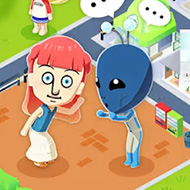
You move a handful of Mii residents into a single apartment building, and within a couple of in-game days one of them is already upset about an argument you didn’t see happen, which is the moment Tomodachi Life: Living the Dream stops feeling like decoration and starts feeling like a small, unpredictable society you’re responsible for.
| Genre | Life Simulation |
| Core Loop | Responding to resident requests and social events |
| Setting | A shared island apartment building |
| Known For | Emergent relationships that develop without direct player control |
The game is built around observing and influencing daily life rather than controlling every action directly. A resident might ask for a new outfit, another could develop a crush, and someone else may be upset after an argument, and those small requests create the rhythm that keeps players checking the island throughout the day. Unlike many life simulators, progress here is measured less by expansion and more by the stories that emerge from interactions between Miis.
During the early stages, most activities revolve around helping residents with simple problems. Miis ask for food, clothing, hats, interiors, and advice about their social lives, and each completed request grants money, treasures, or experience points that raise a resident’s level. Leveling up unlocks additional gifts such as disposable cameras, travel tickets, and music boxes, each of which opens up new kinds of interactions once given.
New players often assume that happiness comes mainly from expensive gifts, but discovering favorite foods and responding to requests consistently tends to matter more. After only a few days, most islands begin developing relationships and rivalries that feel completely unique to that specific save, shaped entirely by which Miis happened to end up living near each other.
Learning what each resident likes becomes an important part of island management, and some foods trigger especially enthusiastic reactions, while disliked meals produce hilarious expressions that experienced players immediately recognize. Favorite foods can be more valuable than many newcomers realize, since discovering a loved food creates a strong positive reaction while a hated one generates useful information about that resident going forward.
Dedicated players keep track of preferences across the whole building, because favorite foods help residents gain happiness quickly and can produce valuable rewards in return. That tracking habit becomes especially useful once the building grows past a handful of residents, since remembering every preference from memory alone gets difficult fast.
One recognizable moment happens when multiple problem icons appear above apartments at the same time. Experienced players immediately know a busy session is starting, especially once romantic situations begin developing alongside the usual food and clothing requests, and a single visit can trigger friendship requests, arguments, confessions, and leveling rewards all in rapid succession.
Romance appears through confessions and special events rather than direct player action. A Mii may decide to confess feelings unexpectedly, and some of those confessions take place at recognizable locations such as the Fountain, the Rooftop, or the Beach, with long-time players often remembering exactly where a particular relationship began. That location detail matters more than it seems, since it gives otherwise random events a sense of place, and a relationship that’s been building for days can suddenly resolve at the Fountain during an otherwise routine check-in.
The unpredictability of when and where these moments happen is part of what keeps the island feeling alive rather than scripted, and that kind of surprise is exactly what the game is built to deliver.
Players often use the term shipping when hoping two specific residents become a couple, but the game never guarantees those outcomes, which creates both excitement and frustration in equal measure. Many island stories involve a carefully planned pairing failing because a confession got rejected, and that unpredictability is one of the main reasons community discussions about specific islands stay active long after players first create them.
One divisive aspect of the game is that players can influence relationships but can’t directly control them. Even a friendship labeled as highly compatible may never turn romantic, which some players appreciate as realistic and others find genuinely frustrating after investing real time into encouraging a specific pairing.
Story-focused players tend to enjoy these unpredictable events the most, treating each surprise confession or rejection as part of an ongoing narrative, while completionists spend more time collecting every interior design, outfit, and special item the island offers. Both approaches reveal different parts of the simulation, since relationships and collections constantly interact with and influence each other.
Once children begin appearing, the social structure becomes noticeably more complex. Families create new interactions and requests that were impossible during the first days of island development, and watching a child grow through different stages and eventually become an adult remains one of the more distinctive features available. When a child reaches adulthood, players choose whether that new adult stays on the island or travels away, and adult children who remain can form friendships and romantic relationships just like any other resident, meaning a single island’s population can genuinely evolve across generations rather than staying static.
Writing lyrics and watching Miis perform songs in the Concert Hall becomes one of the more unique forms of customization available on the island. Performances are especially entertaining because the game automatically adapts voices to different residents, creating results that range from surprisingly good to completely absurd depending on which Mii ends up singing lead, and a song written for one specific Mii often becomes a small running joke on that player’s island long after the session ends.
Friendships grow through repeated interactions, so watching apartment conversations and responding to social requests increases the chances Miis spend time together, and Travel Tickets can sometimes encourage that along the way.
Marriage requires a successful relationship and a proposal event that includes its own mini-game, and progression still depends on interactions the simulation generates on its own, so no reliable shortcut exists.
Players choose whether the new adult remains on the island or travels away, affecting future population, and those who stay can form friendships and relationships like any other resident.
Tomodachi Life: Living the Dream stays memorable because every island develops its own stories, and whether you’re encouraging a confession at the Fountain, writing an absurd song in the Concert Hall, or watching a child from the apartment building grow into an adult with a life of their own, the interactions between residents constantly produce moments that could only happen on your particular island.